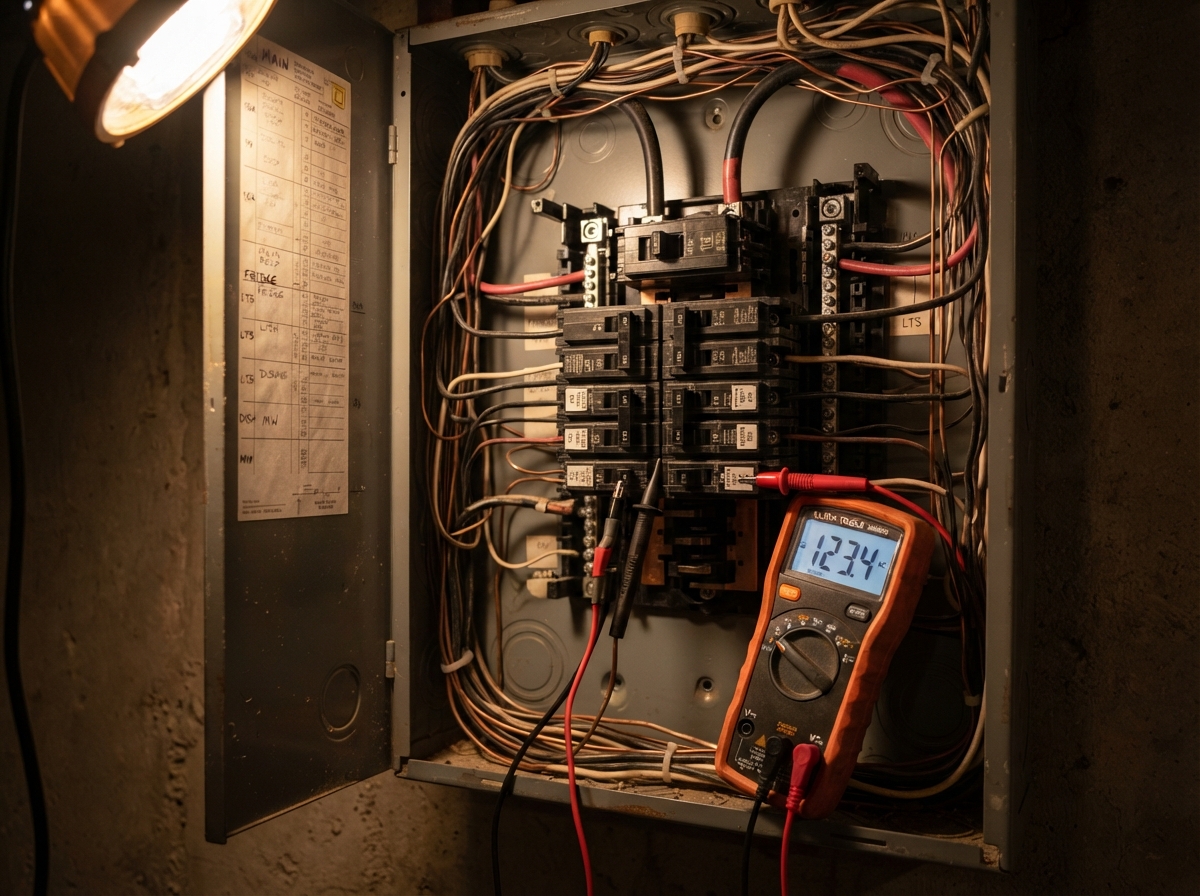
Whole-home rewiring replaces the electrical wiring throughout a house — from the panel to every outlet, switch, and fixture — when the existing wiring is outdated, damaged, or unsafe. It's a bigger project than a panel upgrade alone, and it's one Little Rock homeowners with older housing stock encounter more often than they expect.
What Whole-Home Rewiring Involves
Rewiring means running new, correctly rated wiring to every circuit in the home, replacing outdated wire types like knob-and-tube or aluminum branch wiring, updating outlets and switches to current code, and tying everything back into a new or existing panel. It's a much more involved project than a single-room repair because it touches nearly every wall, ceiling, and fixture in the house, though the level of disruption depends on the home's construction and how much of the existing wiring can be reused versus replaced.
When a Home Needs a Full Rewire
The clearest signs are wiring types that are no longer considered safe by modern code — knob-and-tube, cloth-insulated wiring, or ungrounded aluminum branch circuits are common in homes built before the 1970s and show up regularly in older Little Rock neighborhoods. Other indicators include frequent burning smells, warm switch or outlet covers, flickering lights unrelated to a single fixture, or an insurance company flagging the home's wiring during underwriting. Homeowners also choose to rewire proactively before a major renovation, since it's far easier to run new wiring while walls are already open.
How the Process Works
We begin with an inspection to map the home's existing wiring and determine the scope of work, followed by a free, detailed estimate. Depending on the home, rewiring can be done in phases to minimize disruption, or as a more concentrated project during a renovation when walls are already open. We handle the permitting and inspection process required for rewiring in Little Rock, test every circuit before closing walls back up, and walk you through the finished work.
Why Rewire Your Home
- Removes fire risk from outdated or damaged wiring
- Adds grounded, GFCI-protected circuits throughout
- Supports modern appliances and electronics safely
- Can resolve chronic flickering and power issues
- Often required to secure or renew home insurance
- Pairs efficiently with an open-wall renovation
How Do I Know If My House Needs to Be Rewired?
Warning signs include knob-and-tube or cloth-insulated wiring, aluminum branch wiring, frequent breaker trips, warm outlet covers, flickering lights, or a burning smell. A licensed inspection can confirm whether a full rewire is needed.
Related Services
Worried About Your Home's Wiring?
Get a free, on-site wiring assessment and estimate.